

“The Signal” is a quarterly publication that is publicly available with archived editions available to SAA Members. If you have information or suggestions for the newsletter, please send an email to SAA Communications Committee Chair – R. Ross MacLean at ross[dot]maclean[at]yale[dot]edu.
Follow us on BlueSky  @ambulatory-assessment.org
Join us on LinkedIn  https://www.linkedin.com/company/society-for-ambulatory-assessment/
Conference Information
SAA 2026 in Vienna is a wrap!
The 2026 SAA conference was hosted by the Health Psychology Group and the EMA Lab at the University of Vienna. As evidenced by the photos below, the event was a huge success. A few statistics from the conference:
- 418 participants from 31 counties
- 84 Full SAA members
- 245 Early Career SAA members
- 89 not (yet!) SAA members
- 375 on-site participants and 43 online participants
- 29 symposia
- 115 oral presentations
- 141 poster presentations
- 1 amazing conference!
A huge thank you to Prof. Dr. Laura König, Dr. Christina Ristl, Prof. Dr. Urs Nater, and Prof. Dr. Martina Zemp for organizing the event.
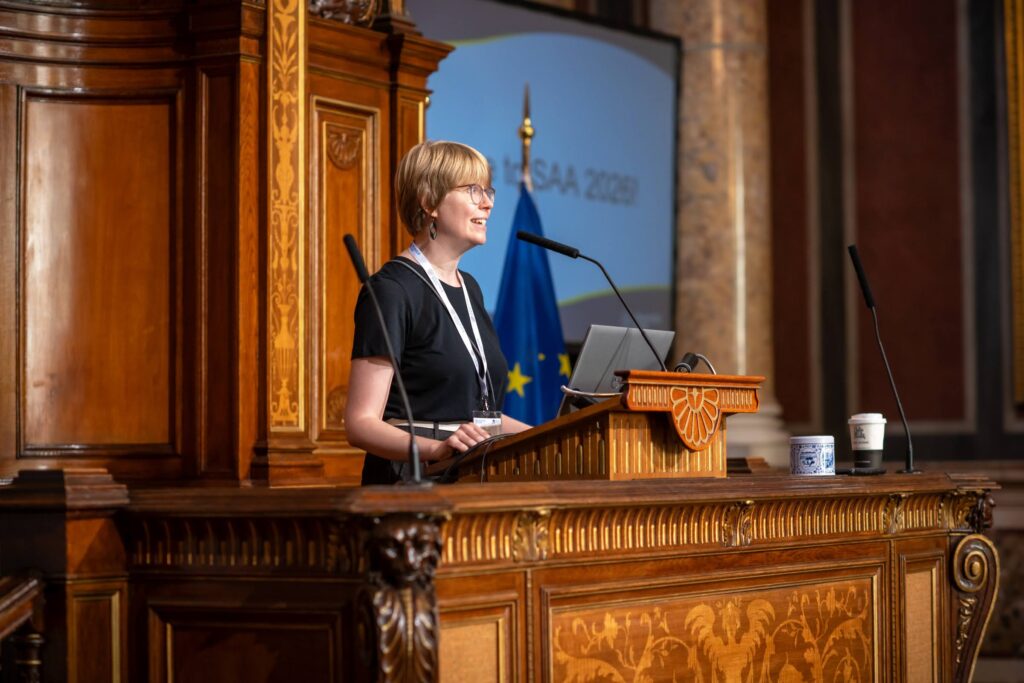
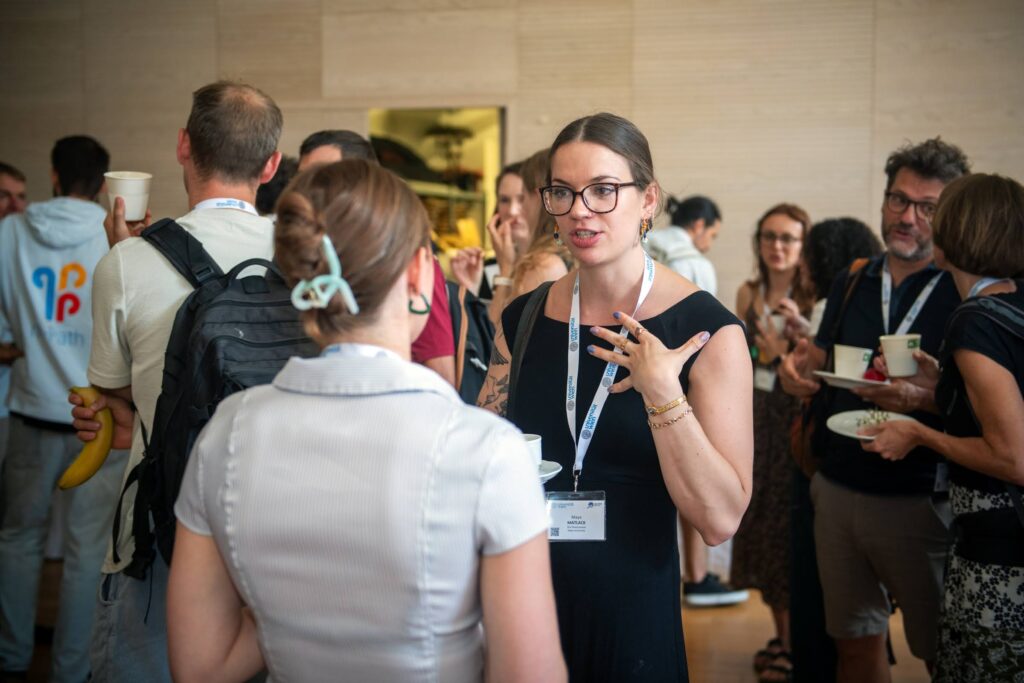
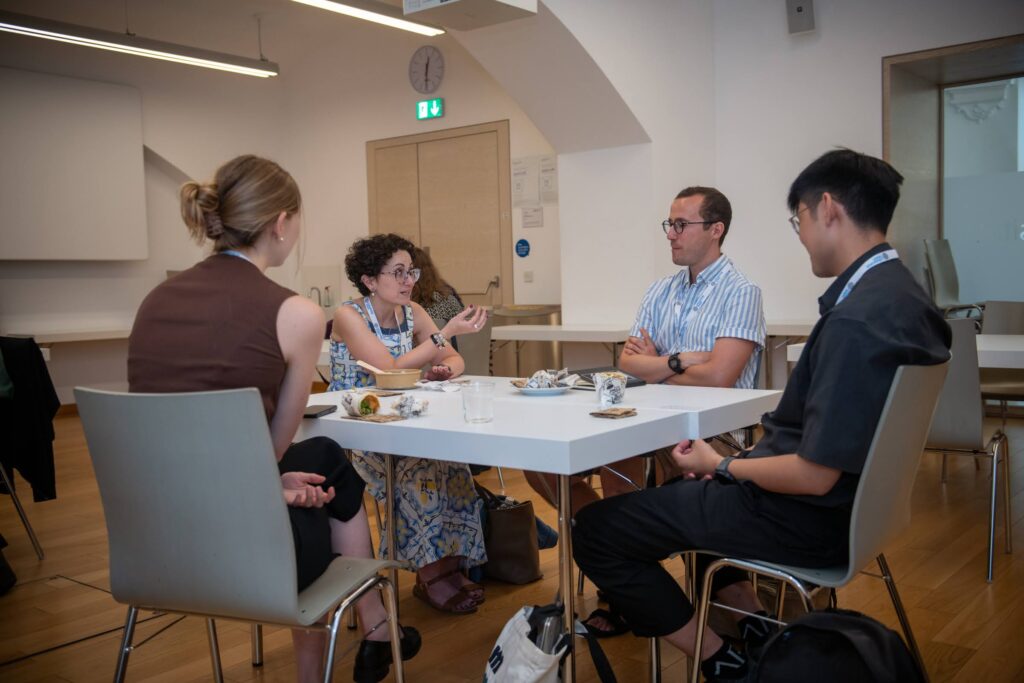
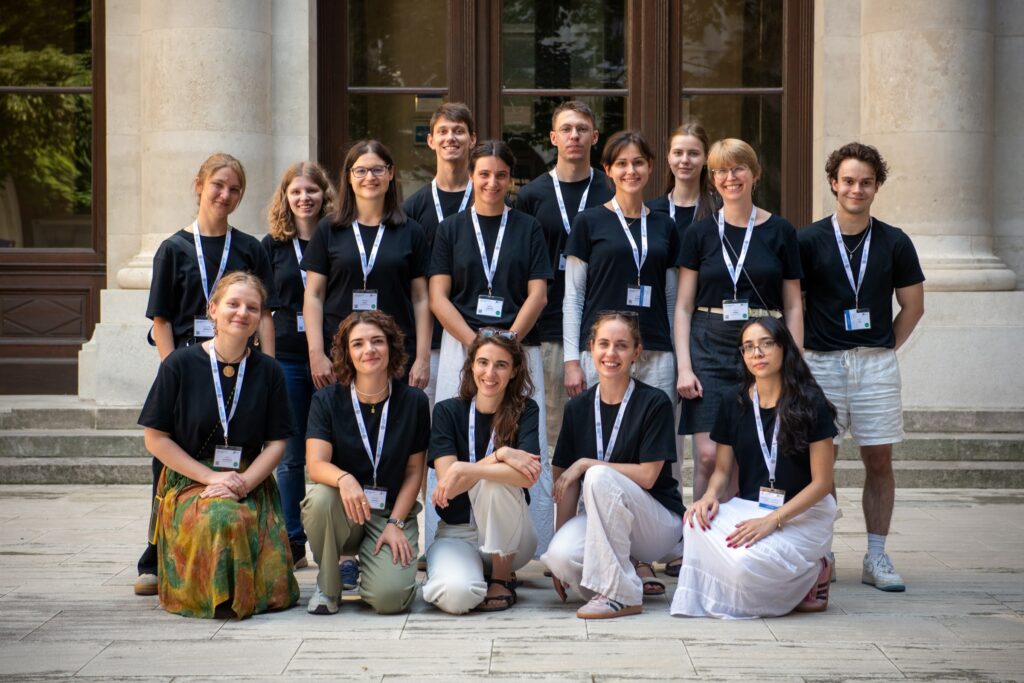
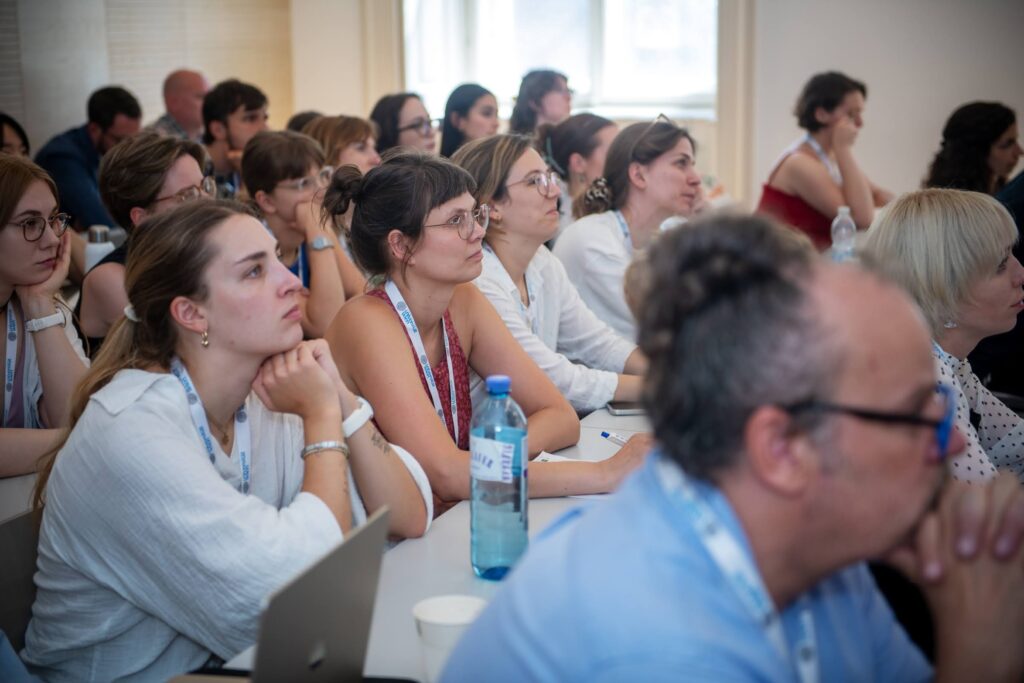
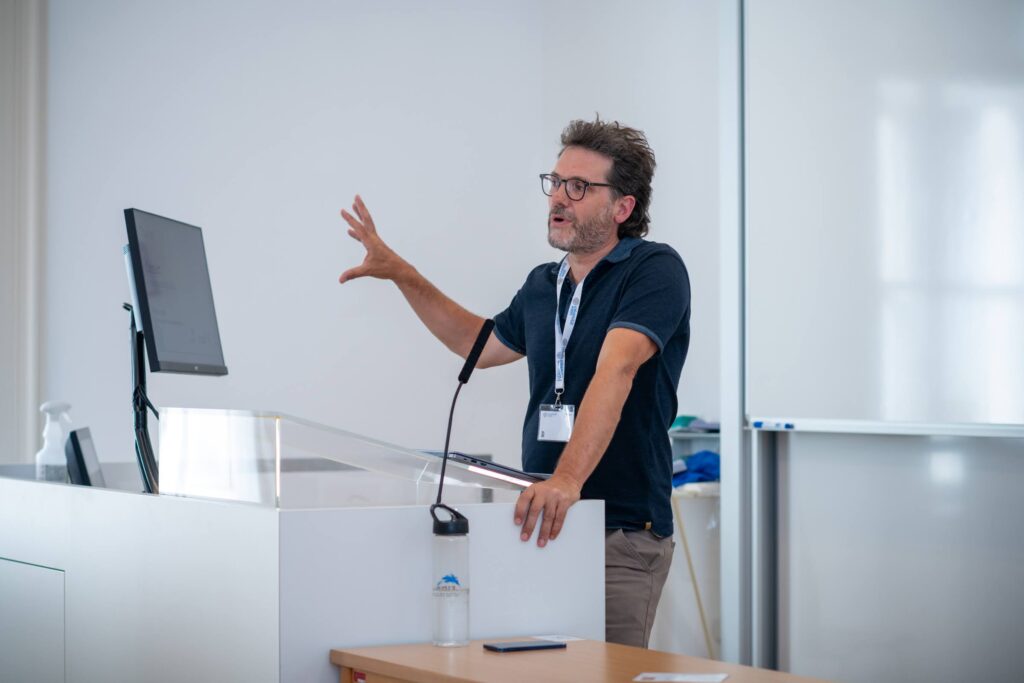
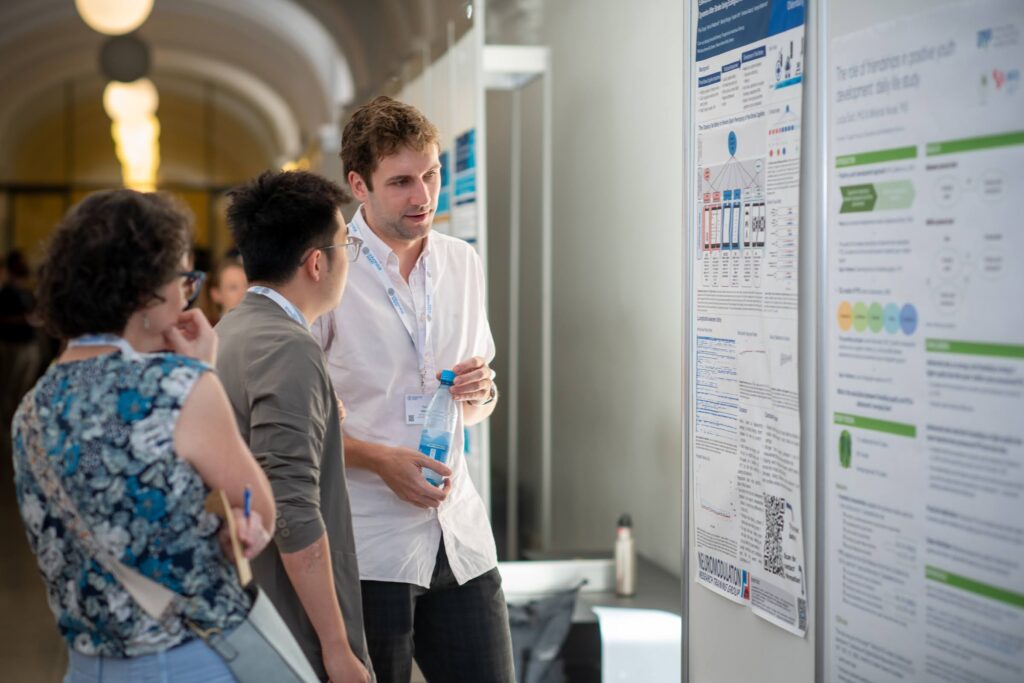
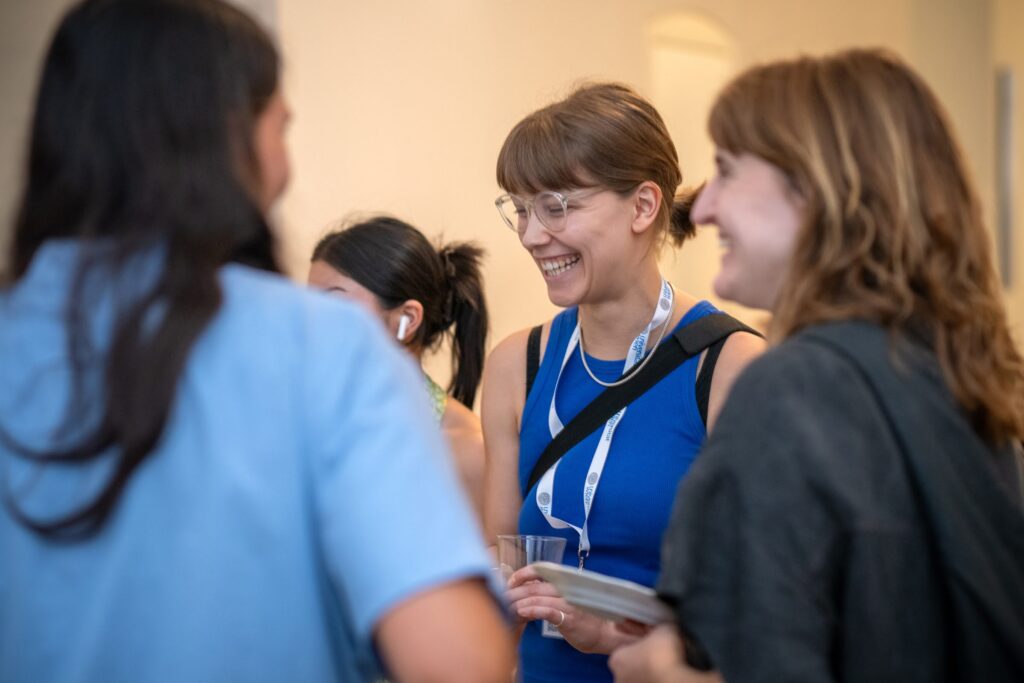



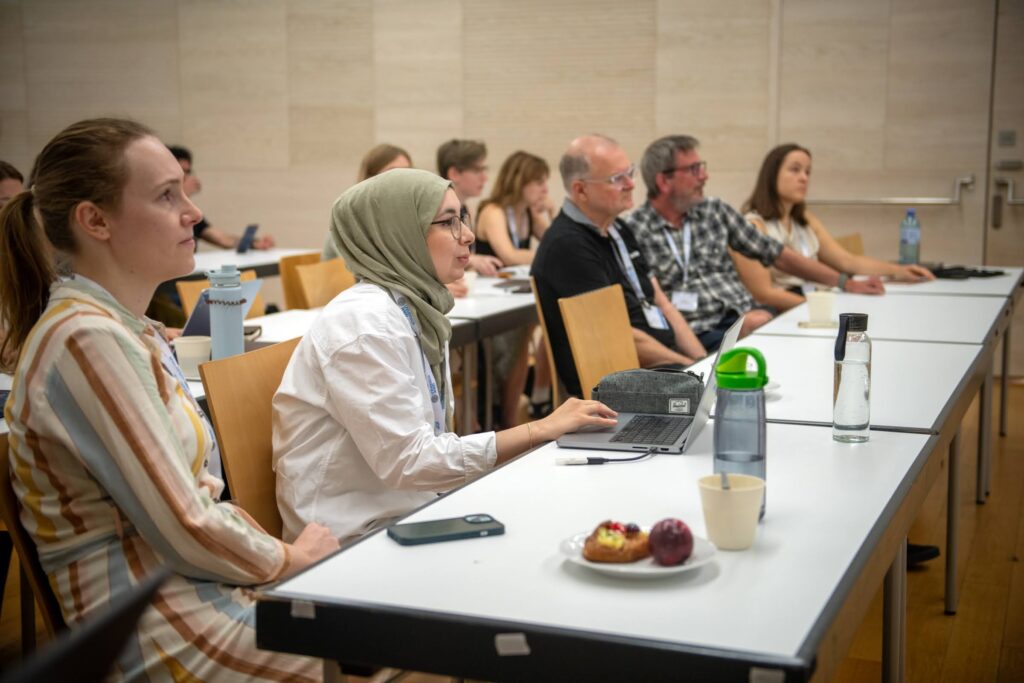
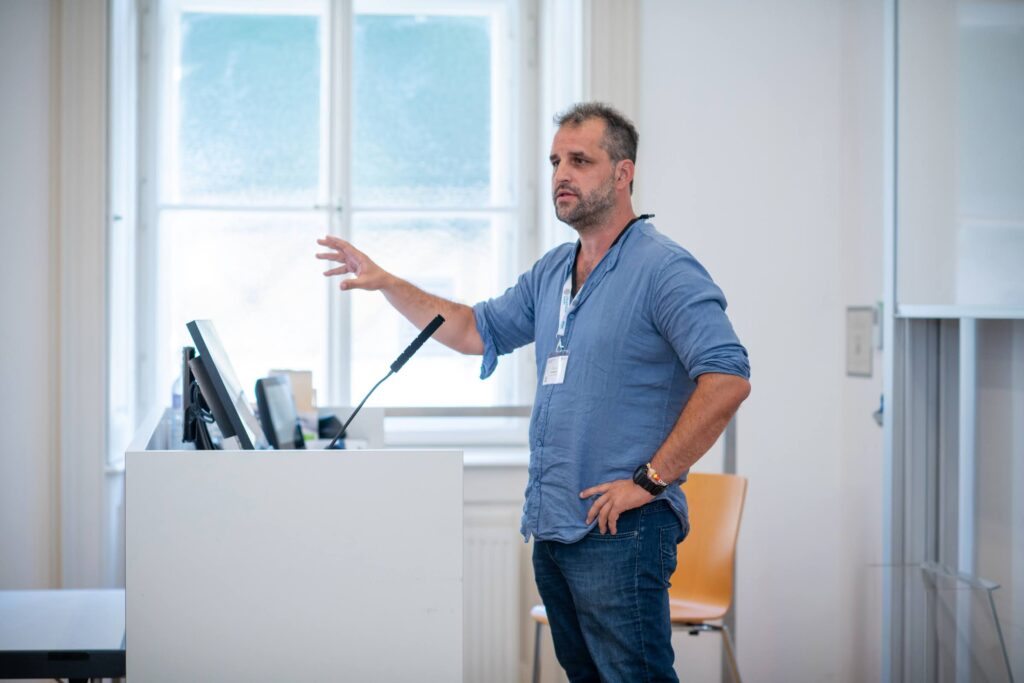
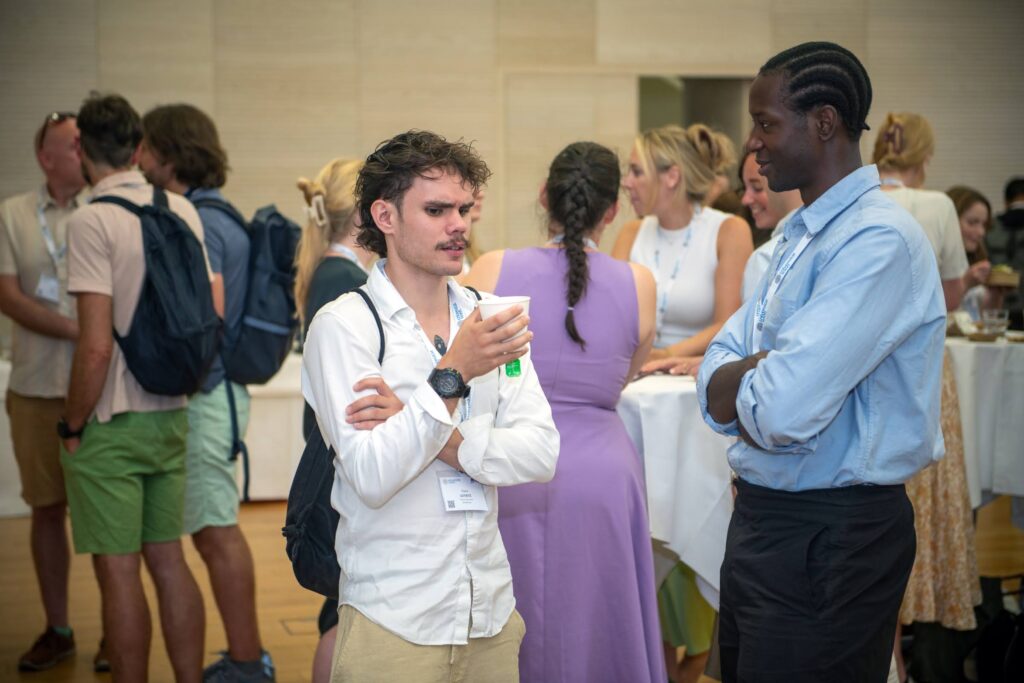

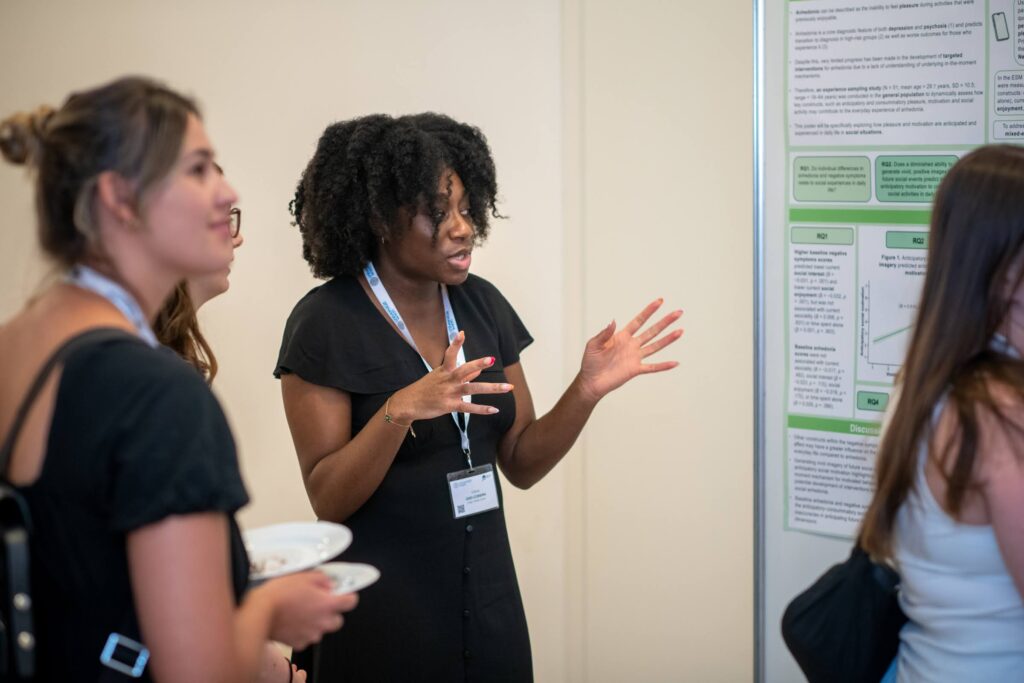

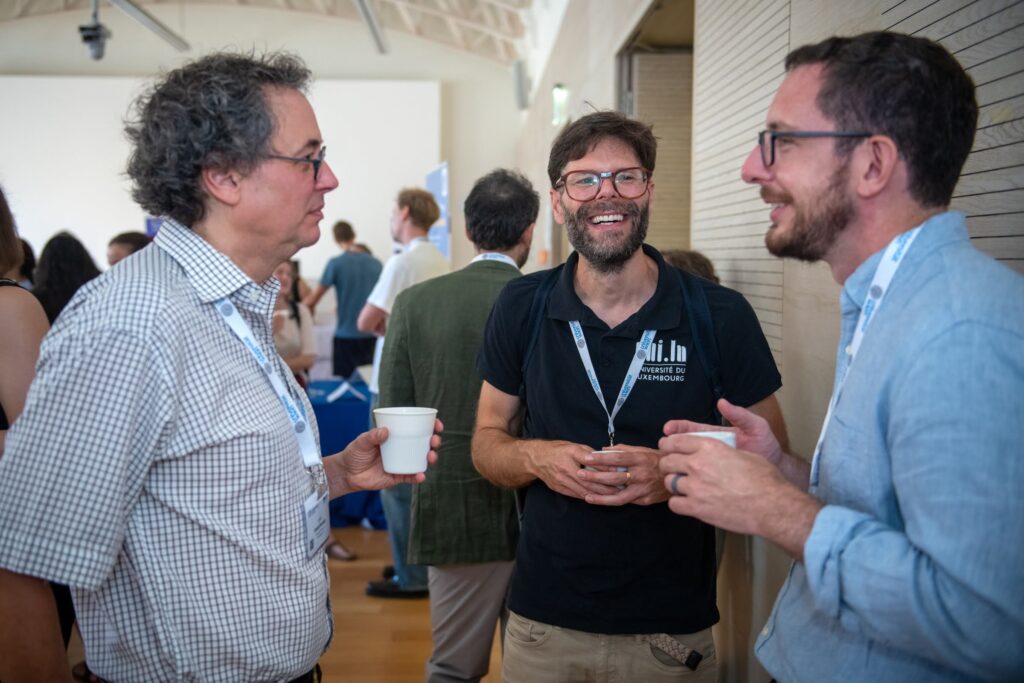
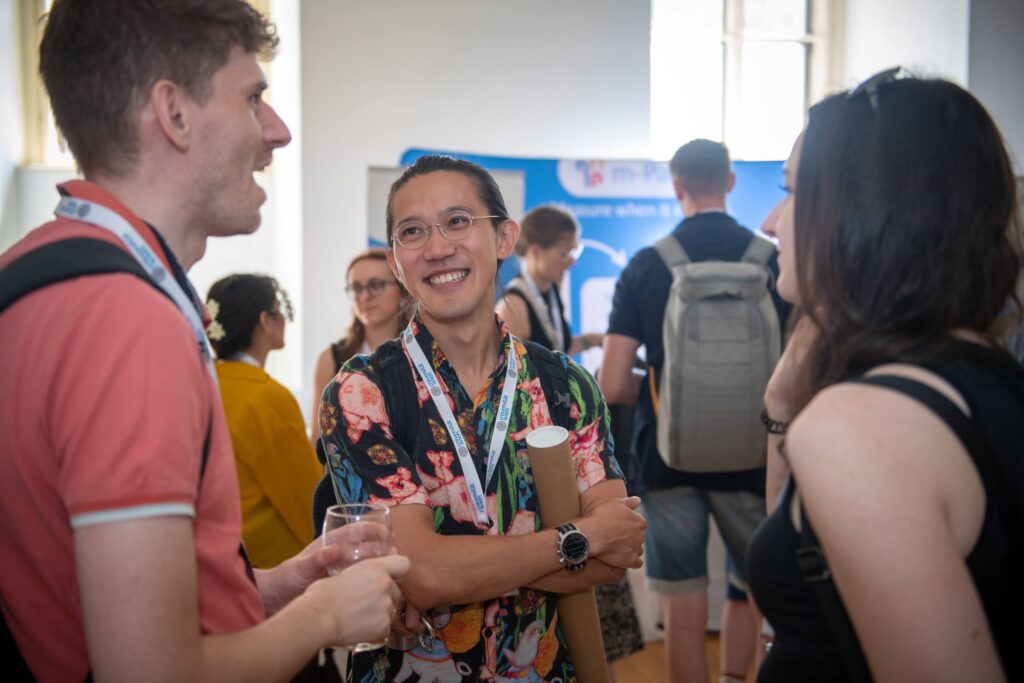
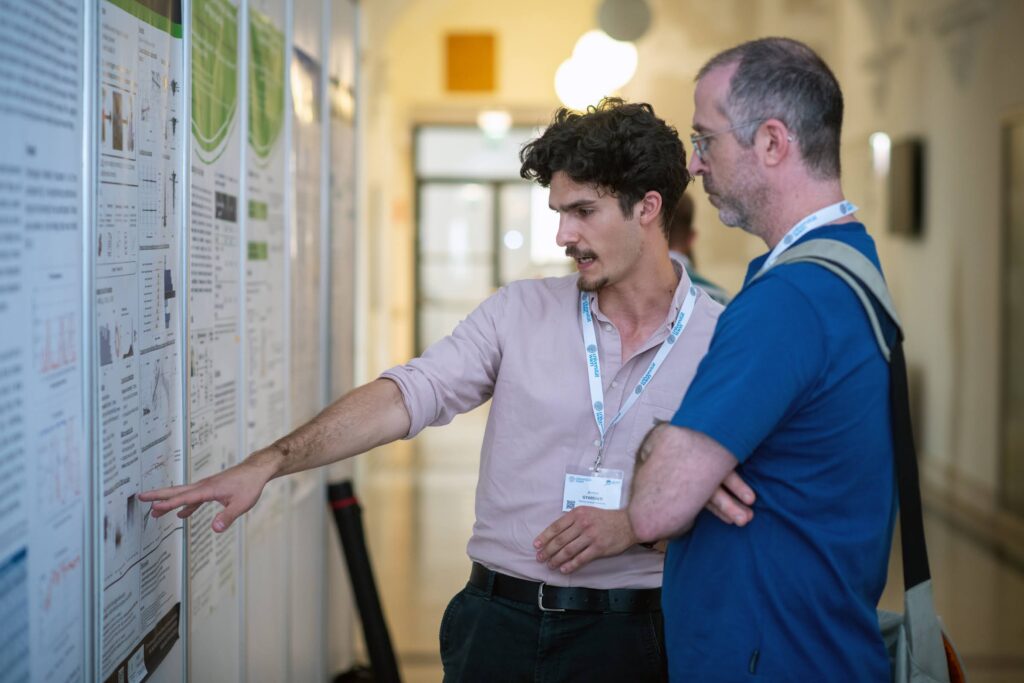

There was a hybrid offering for this conference for attendees who were unable to travel to Vienna to attend in person. Dr. Anne Grünert provided a brief description of her experience as a remote attendee:
I had a very positive experience. The quality of the livestream was consistently excellent, making it easy to follow all presentations. The organization was also very structured from the beginning, and I appreciated that online participants had the opportunity to ask questions during the sessions.
As an idea for future virtual SAA conferences, if they are offered again, would be to include a short virtual coffee break or networking session for online participants. That said, I realize that only a relatively small number of people attended remotely this year, so such an event might not have been practical.
Overall, I think the online participation was very well organized and offered an excellent alternative for those who were unable to attend the meeting in person. Many thanks to the organizers for making remote participation possible! Still, I’m already looking forward to hopefully attending the conference in person again next time.
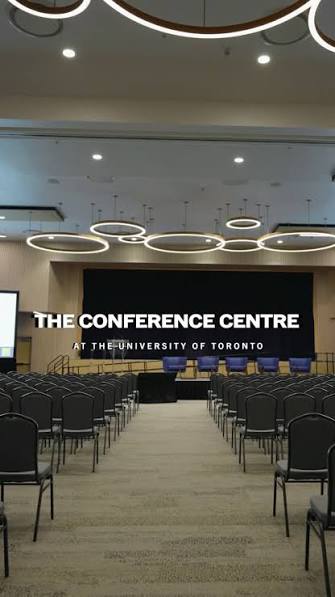
As we bask in the afterglow of SAA 2026, the executive committee is excited to announce that the SAA 2027 conference will take place May 10-13 at the University of Toronto in the recently renovated Conference Centre. The conference will be hosted by Dr. Chung and Dr. Paige-Gould. Stay tuned this fall for more information!
SAA Spotlight
SAA Early Career Awardee: Daniel Coppersmith
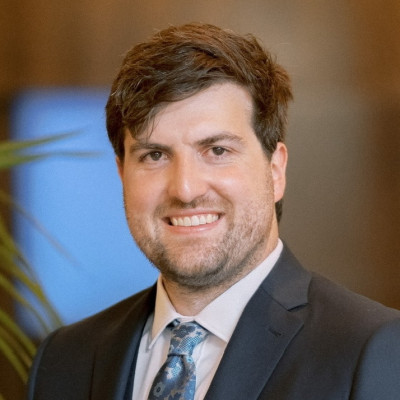
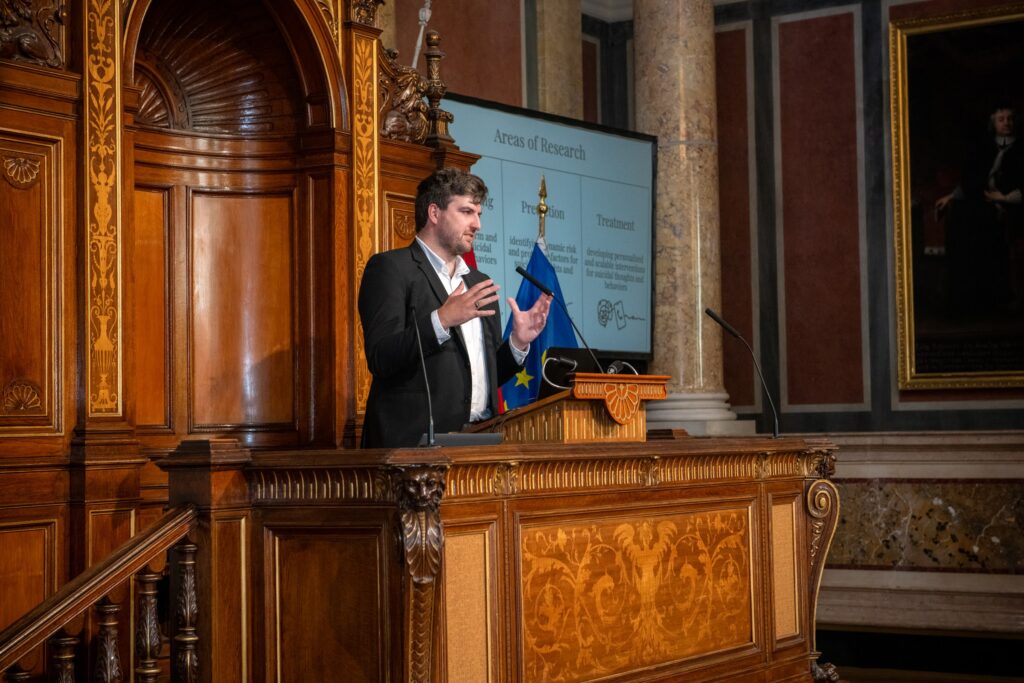
At this year’s Society for Ambulatory Assessment conference in Vienna, Daniel Coppersmith—Assistant Professor of Psychological and Brain Sciences at the University of Massachusetts Amherst and director of the Suicide Prevention Research Lab—received the 2026 Early Career Award. Julia Heckmann-Umhau, a PhD student at Heidelberg University, spoke with him about building an independent research programme, the evolution of EMA methodology, and why good science begins with meaningful questions.
Responses have been lightly edited and condensed.
Julia Heckmann-Umhau (JHU): Congratulations on receiving the 2026 Early Career Award, and thank you for taking the time to speak with us. To begin, could you briefly introduce yourself and tell us a little about your work?
Daniel Coppersmith (DC): I’m an Assistant Professor of Psychological and Brain Sciences at the University of Massachusetts Amherst, where I direct the Suicide Prevention Research Lab. I completed my PhD in Clinical Psychology at Harvard University in 2025. My research focuses on understanding, predicting, and preventing suicide. A major focus of our work is using real-time monitoring and ambulatory assessment methods to understand what suicidal thoughts look like as they unfold in people’s daily lives. Once we understand these temporal processes, we can begin thinking about just-in-time adaptive interventions that offer support when people need it most. I’m also trained as a clinical psychologist and therapist, so my work combines research, teaching, and clinical care. Those different roles continually inform one another.
JHU: You recently moved from being a PhD student to leading your own research lab. What has that transition been like?
JHU: You recently moved from being a PhD student to leading your own research lab. What has that transition been like?
DC: Every day is different. As a new professor, much of the first year has been about getting the lab off the ground and envisioning what the next area or program of research will look like. That is quite different from being in a PhD program; now, it is about developing an independent program of research.
DC: Every day is different. As a new professor, much of the first year has been about getting the lab off the ground and envisioning what the next area or program of research will look like. That is quite different from being in a PhD program; now, it is about developing an independent program of research.
JHU: What has helped you navigate that transition?
DC: A lot of it is really good mentorship. Asking people who have gone through this transition, getting advice and feedback early on, and looking for good models have been especially helpful. It is also important to invest time in the early members of your lab. They help establish its culture and shape its scientific direction from the very beginning.
JHU: It sounds as though the people around you have been an important part of this transition. How have your mentors and collaborators shaped the way you approach your research?
DC: A major factor in my PhD experience and my development as an early-career researcher was my mentor, Dr Matthew Nock. He did some very early ambulatory assessment research, going back more than 20 years. One lesson he emphasized was the importance of going out and observing things in their natural context. If you look at the history of science, description and careful observation often come before explanation. Dr. Nock and I also talked about zooming the microscope in and out. In many ways, smartphones are among our most important microscopes for illuminating parts of the human condition that have been difficult to see before. Mentorship was also central to refining the aims of the award paper. It ultimately involved more than 15 co-authors and a large collaborative effort across multiple hospitals, with research coordinators and assistants collecting data from hundreds of patients. You do not get large, comprehensive intensive longitudinal datasets without teams like that. Analyzing those data also requires specialized training. Dr. Patrick Mair, whose statistics courses I took at Harvard, was especially helpful in developing my understanding of the methods. Those mentors reinforced my belief that collaborative team science is the way forward, and it is something I’m trying to foster in my own lab.
JHU: When did you first attend an SAA conference, and what stood out to you when you returned this year?
DC: I first attended in person in 2019, following the first year of my PhD, when the conference was held in Syracuse, New York. Returning this year, what struck me most was how quickly the methods had developed. We now have far more complex passive-sensing data, more sophisticated digital interventions, and much greater use of artificial intelligence.
Alongside repeated self-report assessments, researchers are increasingly combining smartphones, wearable sensors, text, passive behavioral signals, and adaptive interventions. The comparison makes the pace of change and the growing complexity of the field particularly visible.
JHU: Your paper “Heterogeneity in suicide risk: Evidence from personalized dynamic models”, published in Behaviour Research and Therapy, received the Society for Ambulatory Assessment’s 2026 Early Career Award. What were the main challenges behind the project?
DC: I became interested in GIMME early in my PhD and initially tried to apply it to a different archival dataset. At that stage, the coding and data preparation were difficult, and the dataset was not quite right for the question. Sometimes you identify an interesting method before you have the appropriate data. It took several more years and a much larger intensive dataset before we could ask the question properly. The underlying question was deceptively simple: Does a theory describe everyone, only some people, or different people in different ways? Answering it required person-specific models, enough observations for each participant, and a careful account of why heterogeneity matters. It is not enough to say that people differ. You have to show how they differ and why those differences change the scientific or clinical conclusion.
JHU: Were you ultimately able to implement the method?
DC: Yes. GIMME was initially developed for functional magnetic resonance imaging data and was later adapted for daily-diary and ecological momentary assessment data. I contacted the research group that developed it, and a PhD student there helped with the implementation. Part of the process was knowing when to ask for help and recognizing when a method did or did not fit the data. The project eventually became part of my doctoral dissertation, but the path from the first idea to the final publication spanned years. That was an important lesson from my PhD: research often takes much longer than you initially expect. These projects take time to refine, and iteration is part of the scientific process.
JHU: What have you learned about keeping participants engaged during intensive data collection?
DC: It is really hard. Compensation matters, and it helps to think carefully about incentives and payment structures. Researchers also need to explain the rationale for the study and understand why participants chose to take part. You have to monitor the data as they come in, communicate clearly, and notice quickly when someone stops responding. Engagement is something you manage throughout the study; it is not something you can address only at the end.
JHU: Could providing personalised feedback help keep participants engaged?
DC: Possibly. People are naturally curious. The difficult question is whether seeing their data during or after a study might alter their current or future assessments. You could design studies specifically to examine that—for example, by randomizing participants to receive access to their data or not—and then test whether the feedback is helpful. More broadly, we need to understand participants’ motives for taking part. People outside the field often assume that ambulatory assessment is too burdensome and that participants will not do it. But people do participate. Understanding why they are willing to do so could help us improve engagement while continuing to establish feasibility and safety.
JHU: Could understanding those motives also help researchers reach more diverse populations?
DC: Exactly. It raises questions about diversity, access, who is missing from this research, and who is able to engage with it. Compliance, engagement, dropout, predicting dropout, and reducing burden are all important methodological questions.
JHU: Beyond statistical knowledge, which skills are especially important for researchers entering the field?
DC: Learning how to identify mentors, ask questions, and ask for help is essential. Reading widely and staying close to the literature also matter.
Whenever possible, it is useful to be involved in original data collection. Secondary data analysis alone does not show you how many decisions go into building an ambulatory study. Writing early, seeking feedback, and learning how to refine your questions are also important—even when the first version does not lead to a publication. We do not use ambulatory assessment for the sake of ambulatory assessment. We use it because it is well suited to a phenomenon we care about. A new passive-sensing measure, an audio method, or a complex statistical model may seem exciting, but the first question should always be whether it helps answer something meaningful. The quality of the research question should determine the technology, rather than the other way around.
JHU: AI has been a topic throughout this conference. What advantages, disadvantages, and future applications do you see?
DC: Early at UMass, I had the opportunity to serve on an advisory panel for the American Psychological Association that developed a health advisory on generative AI in mental health and psychotherapy. That involved thinking about some of the challenges and limitations.
AI has many potential applications in ambulatory assessment research. It may help with data analysis, inform decision points or intervention options in just-in-time adaptive interventions, and generate stimuli for assessment or intervention. There are also limitations to using AI as a psychotherapy tool, and particular caution is needed in suicide research. There have been many discussions and debates, especially in the United States, involving high-profile cases. In my lab, we are developing an internal policy about when and how it is appropriate to use AI and which research questions it may help us address. There are exciting opportunities, but we need more data, experiments, and testing to understand how these tools can be used safely.
JHU: Which emerging directions are you most excited about? Another direction is integrating quantitative EMA measures with qualitative or free-text responses. Large language models may eventually help researchers work with these richer streams of data, provided the methods are transparent, validated, and used with appropriate safeguards.
There is also a growing infrastructure for stronger and more reproducible ambulatory research: shared item libraries, open ESM datasets, reporting checklists, preregistration, and clearer field standards. As the technology becomes more powerful, these basic practices become even more important.
JHU: Descriptive EMA research has shown that suicidal thoughts can fluctuate substantially over short periods. What research question would you most like to investigate next?
DC: We now know much more about the temporal patterns of suicidal thinking. We can see that thoughts rise and fall, but we still do not fully understand what drives those changes.
Why do suicidal thoughts persist for a person? What functions might they serve, and what affective or reinforcement processes maintain them? The other side of that question is just as important: What allows the thoughts to come down? Answering these questions means studying not only risk factors but also the coping strategies people use while living with suicidal thoughts. That knowledge could help turn observation into interventions that respond to the processes maintaining risk for a particular individual.
JHU: Suicide prevention has clear clinical and policy relevance. What ethical challenges arise when this work is translated into practice?
DC: A study may receive information indicating that a participant is at acute risk, so researchers have to decide what to monitor, when to respond, and how to balance safety with scientific validity. These technologies introduce ethical and risk-management questions that do not have simple answers. I’m going to survey suicide-focused EMA and ESM researchers about their current practices. We need to learn systematically from what different research groups are doing and work towards stronger field-wide guidance.
JHU: What do you wish you had known at the beginning of your career?
DC: Everything takes longer than you expect. Ambulatory assessment is complex, suicide is a difficult topic to study, and both take time to learn. It helps to accept that this is a long journey and to leave room for iteration. As a new faculty member, patience also means learning to manage projects with different timelines, deciding what a small team can realistically accomplish, and identifying which questions are most important to pursue first. You cannot do this work alone. At every stage, you need mentors, collaborators, and a team. Methodologically, one of the things the paper shows is how many different ways there are to analyze an EMA question, and that the results are not always the same. Analytic decisions matter. When you are first starting this work, one of the hardest things is that there are so many ways to analyze the data and it can be difficult to know where to begin. Sometimes it is helpful to start with simpler analyses: visualize your data and see what it looks like. That was one of the first things we did in this project before jumping into more complex statistical models. Starting with the basics—visualizing and understanding what you are working with—can provide a good foundation before you run a more advanced machine-learning- or AI-based model.
JHU: Thank you, Daniel, for sharing your insights. I’m sure they will be valuable to many early-career researchers. We wish you every success in your new role and in all that lies ahead.
Research Brief
For the September issue of The Signal, Dr. Lauren DiPaolo provided a brief summary of a recent article by Lochner et al. entitled “Ambulatory Assessment in Mental Health: Expert Consensus and Recommendations” in the journal Nature Mental Health. This consensus statement was developed by a group of 23 experts in ambulatory assessment (AA) methods across multiple disciplines including psychology, psychiatry, computer science, and industry. The goal of the article was to improve the quality of using AA methods to assess and monitor mental health states. The authors were able to summarize a wealth of information from the AA literature organized into 8 key areas: Sample design, timing and duration, psychometrics, multimodal data, compliance, data analysis, open science and ethics, and the use of AA in clinical contexts. Below are several key takeaways from the article:
- Construct your study design based on whether your research aim is to describe, predict, or explain an outcome.
- To determine assessment frequency, ask yourself “do we capture the underlying dynamic process with our sampling strategy?” Balance assessment frequency with participant burden.
- Consider using the ESM Item Repository (https://esmitemrepositoryinfo.com/) to choose items/scales with established reliability and validity in AA studies. Balance assessment length with participant burden.
- Thoughtfully consider including both self-report and objective measures (e.g., wearables, biological data) of your constructs of interest in your study design.
- To increase compliance, balance assessment length/frequency/duration with participant burden. Incentives, reminders, and feedback from pilot testing your design can be helpful for enhancing motivation to complete assessments.
- Multilevel models are great for AA studies that have a nested data structure and can separate within and between participant effects. Alternative approaches that can accommodate more complex models include multilevel or dynamic structural equation modeling, time series models, and machine learning models. A priori power analyses are important for estimating power accurately, but some calculations may require pilot data.
- Ensure results from AA studies are FAIR (findable, accessible, interoperable, and reuseable). Consider how you will ensure safety for your participants and transparency of your findings (e.g., pre-registration, data repositories).
- AA is not just for research, but can also be beneficial in clinical settings to help empower patients through self-management and improved awareness of their experiences and can facilitate precision medicine approaches to healthcare.
In summary, this article serves as a great resource for investigators who may be new to AA methods, but also as a helpful refresher even for more experienced AA researchers. To read the full article and find a list of suggested further readings in each area, visit: https://www.nature.com/articles/s44220-026-00658-w
Education Opportunities
If you are an SAA member and running a workshop, or know of training opportunities that SAA members could benefit from, let us know. We can post the information here to let other SAA members know about ways to learn and advance their methodological expertise.
Notifications and Recognition
Post-doctoral Positions at the Yale Stress Center, Yale University School of Medicine
The Yale School of Medicine’s Yale Stress Center is recruiting for 1-2 post-doctoral positions for individuals with a Clinical Psychology PhD with specific experience in clinical health psychology track or clinical neuroscience and with specific interest in mhealth and wearables data collection and analytics combined with clinical outcomes and also potentially neuroimaging. The post-doctoral training will focus on learning specific stress interventions to address stress symptoms of anxiety, pain, stress, drug craving and behavioral and emotional self regulation across stress-related illnesses. In addition, extensive training in merging laboratory experimental data with in-field wearables will also be provided. The position is suitable for those aspiring to become an independent academic researcher with an interest in gaining greater clinical experience simultaneously with research expertise in integrative clinical and data analytics research. Significant opportunities to write manuscripts, data analysis and generate first author publications as well as in grant writing to build an independent academic and clinical career will be provided.
Qualifications include a doctoral degree in Clinical/health Psychology, Clinical Neuroscience, Clinical/Counseling psychology or related behavioral health science area and excellent project management and writing skills. Applicants must also be a citizen or permanent resident of the United States. Experience with pain, addiction and or in weight related Disorders, clinical research, student supervision, computer programming, and quantitative methods are preferred but not required. Yale University is an Equal Opportunity/Affirmative Action Employer and actively solicits applications from women and minority candidates. To apply, please send a single PDF to [email protected] with: 1) Cover letter detailing previous research experience, interests, and career goals , 2) CV and 3) Names and contact information of three academic references.
Multiple tenure-track faculty positions at the Assistant, Associate, or Full Professor rank at Washington University in St. Louis
Washington University in St. Louis invites applications for multiple tenure-track faculty positions at the Assistant, Associate, or Full Professor rank as part of a university-wide Rules of Life +AI cluster search spanning Biology, Chemistry, Philosophy, Physics, Psychological & Brain Sciences, and Statistics & Data Science.
Within Psychological & Brain Sciences, we especially encourage applications from researchers whose programs place artificial intelligence or machine learning at the center of their scientific inquiry. Relevant areas might include—but are not limited to—computational models of cognition, behavior, or brain function; human–AI interaction; AI-enabled behavioral or mental health interventions; adaptive and personalized interventions; AI-supported assessment, prediction, or behavior change; machine learning approaches to neuroimaging or other complex behavioral and biological data; and research connecting artificial and natural intelligence, conscious experience, or human values. Strong candidates will integrate AI-driven inquiry with experimental, computational, clinical, or data-science approaches and demonstrate potential for collaboration across disciplines.
Candidates should hold a Ph.D. in Psychology or a closely related field. Candidates at the Associate or Full Professor rank should have a record of research, teaching, and service commensurate with appointment at that rank. For fullest consideration, applications should be submitted by October 1, although review will continue until available positions are filled.
Additional information about the initiative, research themes, application requirements, and disciplinary contacts is available on the Rules of Life Hiring Initiative page. Applications may be submitted through Interfolio (Job ID 191452): https://apply.interfolio.com/191452.
Community Information
Changes in SAA Executive Committee
There have been a few changes on the SAA Executive Committee that we wanted to formally announce.
Please join us in congratulating Stephanie Lanza (President-elect) as she transitions to the new President of SAA.
A big thank you to the following outgoing members of the SAA Executive Committee:
Cornelia Wrzus (President)
Eco de Geus (Treasurer)
Kristin Heron (Member-at-Large)
Crystal Ng (Early Career Member)
AND a round of applause for the following incoming SAA Executive Committee Members:
Laura Bringmann (President Elect)
Ulrich Ebner-Priemer (Treasurer)
Kira Birditt (Member-at-Large)
Anna Kessler (Early Career Member)
Seeking ADHD Datasets
Dr. Kerstin Erdal at FernUniversität in Hagen is conducting a preregistered study investigating ADHD symptoms in daily life using intensive longitudinal data and is currently seeking existing datasets that may be eligible for inclusion.
They are interested in datasets that use Experience Sampling (ESM), Ecological Momentary Assessment (EMA), daily diary, or related intensive longitudinal methods; and include a measure of ADHD symptoms, inattention, hyperactivity, and/or impulsivity.
Importantly, the original study does not need to have focused on ADHD. The team is interested in both clinically referred/diagnosed and non-clinically referred samples, including community, student, and general-population samples in which ADHD symptoms or traits were assessed dimensionally. They are also interested in both published and unpublished datasets.
Their study, including further information on the eligibility criteria and planned analyses, is preregistered on OSF: https://osf.io/h38n5
Researchers who have a potentially eligible dataset, or know of one, are very welcome to contact Dr. Erdal at [email protected]
Thank you very much for your help!
SAA Signal Boost
Melanie Kowalczyk, PhD has been a member of the SAA since 2023. Her PhD thesis supervisors, Dr. Izabela Krejtz and Dr. Monika Kornacka from SWPS University in Poland, have published many studies using daily diaries and EMA, and she has also used these methods in her own research project. She presented her work at the SAA conference in 2023.
She successfully defended her PhD thesis in April 2026.
Below are two ambulatory assessment articles that were published during her PhD project:
https://doi.org/10.1080/20445911.2025.2525254
https://doi.org/10.1186/s40359-025-03437-x
Dr. Kowalczyk’s work focuses on the relationship between the menstrual cycle, oral contraceptives, anxiety/depression, and cognitive functioning. Ambulatory assessments are the most useful method for studying women throughout their menstrual cycle, as their hormonal fluctuations are constant, and it requires daily monitoring of their well-being. For next steps, she hopes to continue her work on the relationship between the menstrual cycle, hormonal treatments, and mental health. To accomplish these goals, she is looking for a Postdoc position or a laboratory open to applying for a grant with her!
Reminder to send a Signal Boost!
Anyone can submit a Signal Boost! Send one for an SAA member that deserves recognition or highlight one of your recent accomplishments, As a reminder, a “Signal Boost” could be winning a award, getting a promotion, defending a thesis/dissertation, obtaining a grant, helping with an analysis, solving a vexing technical problem, or anything else that we should celebrate.

To submit a Signal Boost, follow the instructions below:
- Click the icon on the right
- Enter “Signal Boost” in the subject line
- Clearly identify the SAA member that you would like to recognize and write a brief description of why you would like to recognize this individual.
SAA Communication Committee Members
- R. Ross MacLean, Ph.D. (Committee Chair), Yale School of Medicine and VA Connecticut Healthcare System
- Lauren DiPaolo, Ph.D., Corporal Michael J. Crescenz VA Medical Center
- Anne Grünert, Ph.D., RWTH Aachen University
- Haijing Hallenbeck, Ph.D., VA National Center for PTSD and Stanford University Medical Center
- Julia Heckmann-Umhau, M.Sc, Universität Heidelberg
- Laura König, Ph.D., University of Vienna
- Femke Lamers, Ph.D., Amsterdam University Medical Center